
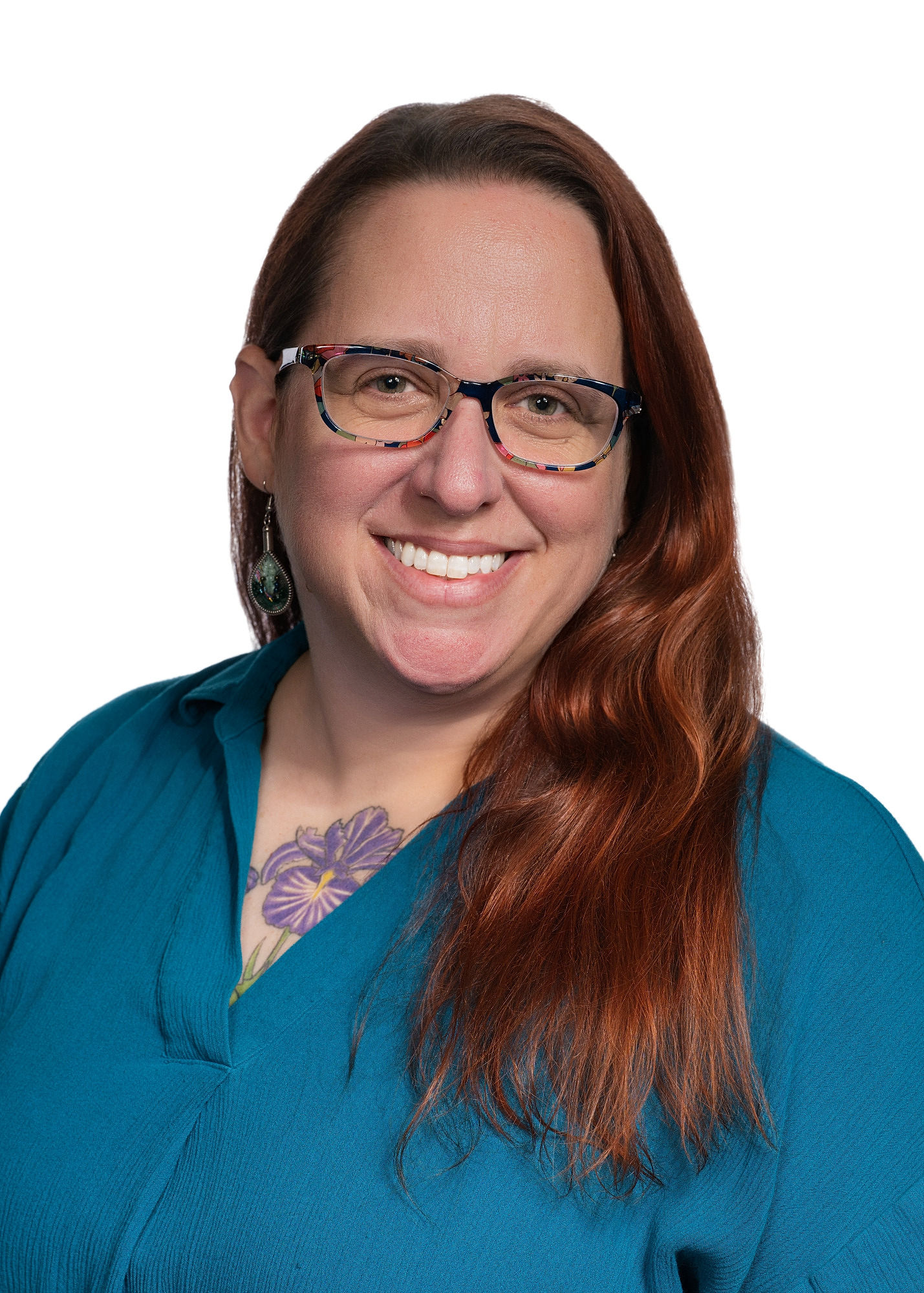
Meet Dr. Liz Pietralczyk
I’m Dr. Liz Pietralczyk, an experienced primary care physician with an intersectional, patient-centered approach to healthcare. Specializing in family medicine, gender affirming care, and addiction recovery, I started my new clinic so that I could bring accessible, quality care to my community across Alaska.
Medical School
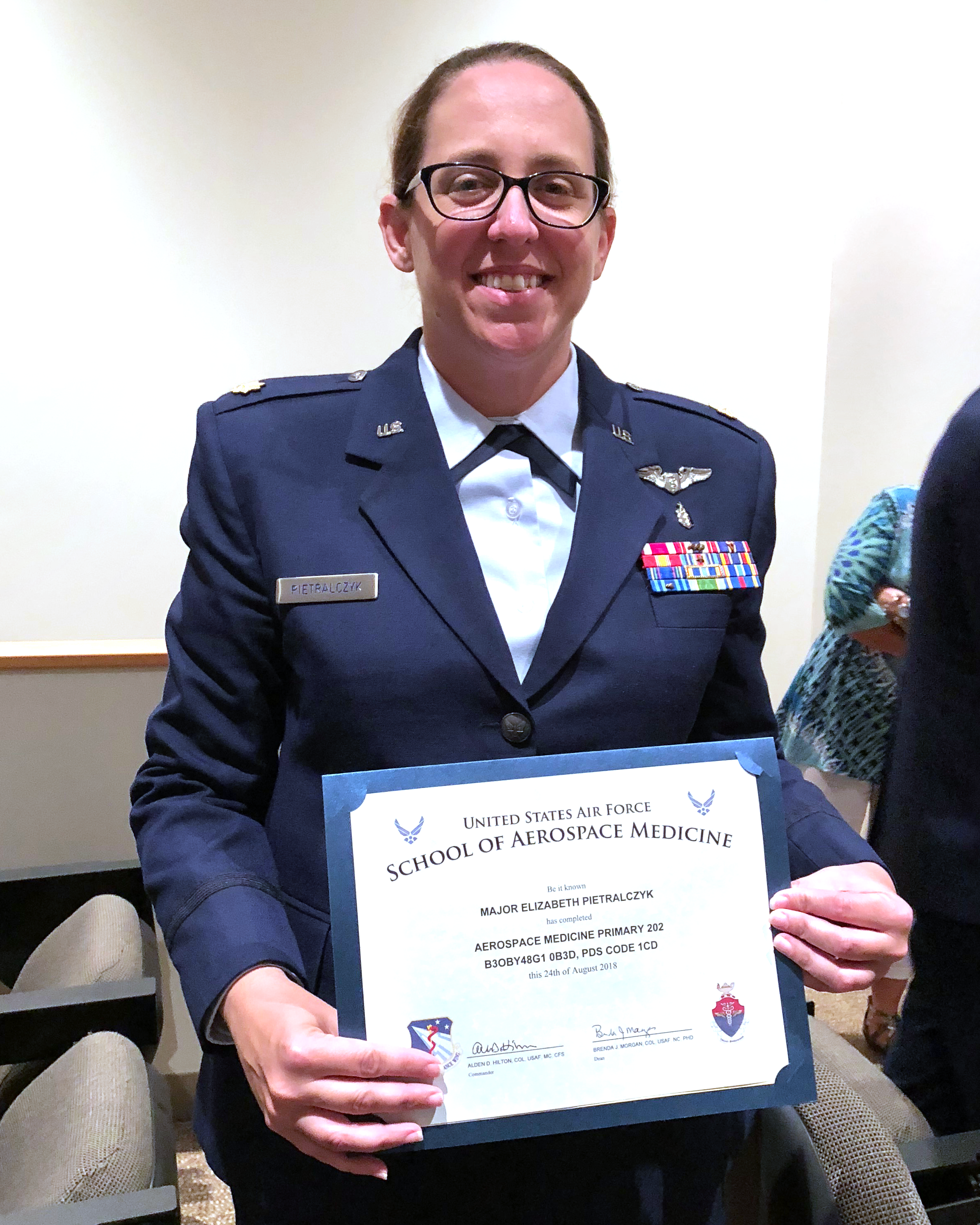
I completed medical school at the Uniformed Services University of the Health Sciences (USUHS) in Bethesda, MD in 2007. This unique school provides medical and military training to Army, Air Force, Navy, and Public Health Service students. In addition to the typical medical school curriculum, we are prepared to serve after graduation with extra education and training around caring for war casualties and maintaining a healthy active-duty force. We are also trained to provide care to military families and retirees.
It was during my time at USUHS that I discovered Family Medicine, a specialty where I truly felt at home among colleagues that shared my passion for comprehensive preventive care and providing care that considers the entire person. I loved being able to tailor my treatments to the individual and I believe there is no greater privilege than getting to know a family and meeting their medical needs. During my last year of medical school I started my own family, welcoming my oldest child and taking on the challenge of returning to medical school only 6 short weeks after she was born.
Residency
Upon completion of medical school, I matched with the Ehrling Berquist Family Medicine Residency in Omaha, Nebraska at Offutt Air Force Base. Family Medicine residency consists of 3 years of intense clinical training where we work up to 80 hours per week and rotate through adult and pediatric specialties, obstetrics, emergency medicine, and surgery, all while managing a panel of our own patients that consists of newborns to geriatrics with every condition you could think of. I never imagined I could learn so much so quickly. I also never understood true exhaustion until I was juggling this schedule with caring for an active toddler.
The joint program with the University of Nebraska Family Medicine Residency offered me the opportunity to train in a large academic civilian hospital. This was my first real exposure to the complications that arise for patients who have no medical insurance or cannot afford their co-payments or prescriptions. It was here that I discovered the ugly underbelly of US medicine; the wealthy get excellent care, the average person gets whatever they can afford, and the truly poor get whatever we can force the system to provide them. I was privileged not to experience this growing up as my father was in the military and I always had access to the medical care I needed. It was a disheartening shock to my young and compassionate doctor’s heart. I learned that I had a lot of growing up to do and I developed a passion for advocacy.
My time on Labor & Delivery during residency was where I truly felt alive. I absolutely adored following my patients through clinic and delivering their babies. I loved seeing the whole family in clinic for well-baby visits and watching their other children become big brothers/sisters/niblings. There were even a few families where I got to deliver 2 of their children. I still receive updates about some of those kids growing up, and it is such a joy to see them becoming adults now.
Taking care of dependent spouses, it was not uncommon to deliver a patient with their partner on a video call from deployment. It was then that I discovered the concept of a “found family”. Those people that show up for you in a moment of need, despite not sharing a blood line. The neighbor who came to hold a hand while she pushed, the co-workers who came to visit with flowers and congratulations. It was during residency that I discovered my own “found family” among my residency colleagues, some of whom are still dear friends today.
OB Fellowship
The first year of my career after Family Medicine Residency was spent learning how to take excellent care of my pregnant patients by completing an Obstetrics fellowship in Las Vegas at the University of Nevada, Las Vegas hospital (UNLV) where I delivered more than 300 babies and performed more than 150 cesarean sections in one year! This was one of the busiest years of my life, especially as I was raising a rambunctious 4-year-old. I was working up to 100 hours per week during this year, something I don’t recommend to anyone. I’m grateful I learned so much and feel that my skills were solid by the end of the experience, but I sometimes regret sacrificing that year of being a present mom.
Military Career
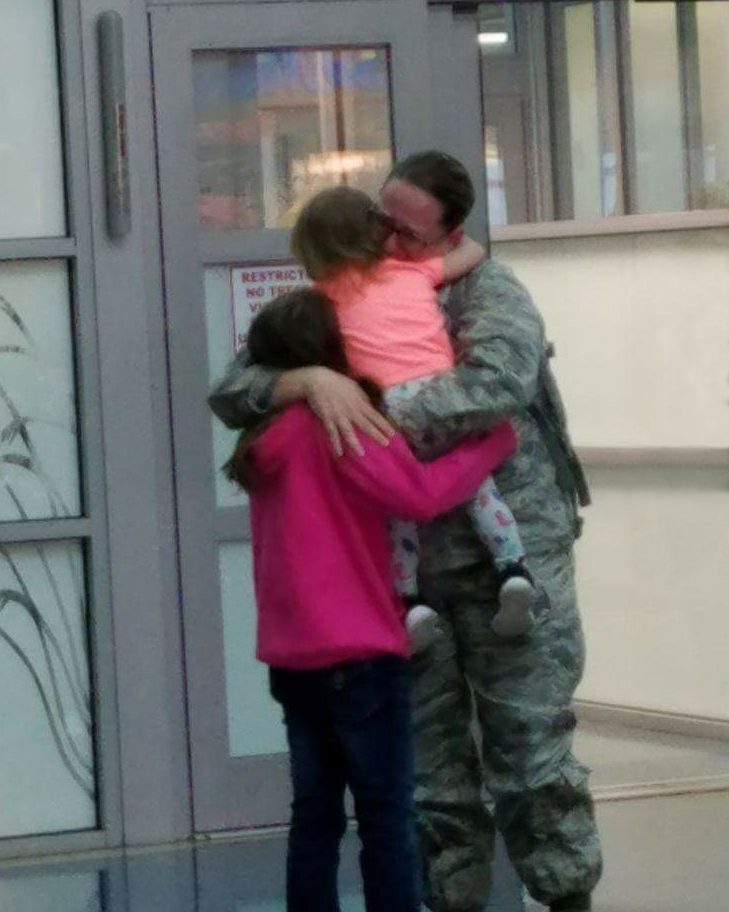
When I was done with fellowship, my Air Force career continued at Eglin AFB in my hometown of Fort Walton Beach, FL where I was appointed a faculty member in their Family Medicine Residency program. I continued to practice full spectrum family medicine during that time and taught new residents how to safely deliver babies, manage sick patients in the hospital, perform procedures (including vasectomy, colposcopy, skin biopsies, and joint injections), and provide excellent acute, chronic, and preventive care to active-duty members, their families, and retirees in our outpatient clinic. I was also privileged to be in the first group of military Family Medicine physicians who were trained to provide gender affirming care to transgender active-duty members. These were some of my most rewarding moments as a physician and educator and I am grateful for all that this population of patients taught me about acceptance, authenticity, and persistence.
Teaching the next generations of Family Medicine physicians has been one of the greatest joys of my career. I deployed twice during my time at Eglin AFB. The first deployment was to Kuwait for 6 months when my oldest was in 1st grade. It was one of the most challenging things I had ever done as a parent up to that point. The second deployment was 18 months after the birth of my second child. Leaving them both broke my heart. I am eternally grateful that my in-laws were close by to help their father while I was away, I don’t know what we would have done without them. I re-evaluated my circumstances at that point, recognizing that if I remained in a teaching position, I would likely deploy every couple of years. I decided to make a big change and train to be a flight surgeon. I left academics, and went on a new adventure - this time, to Alaska.
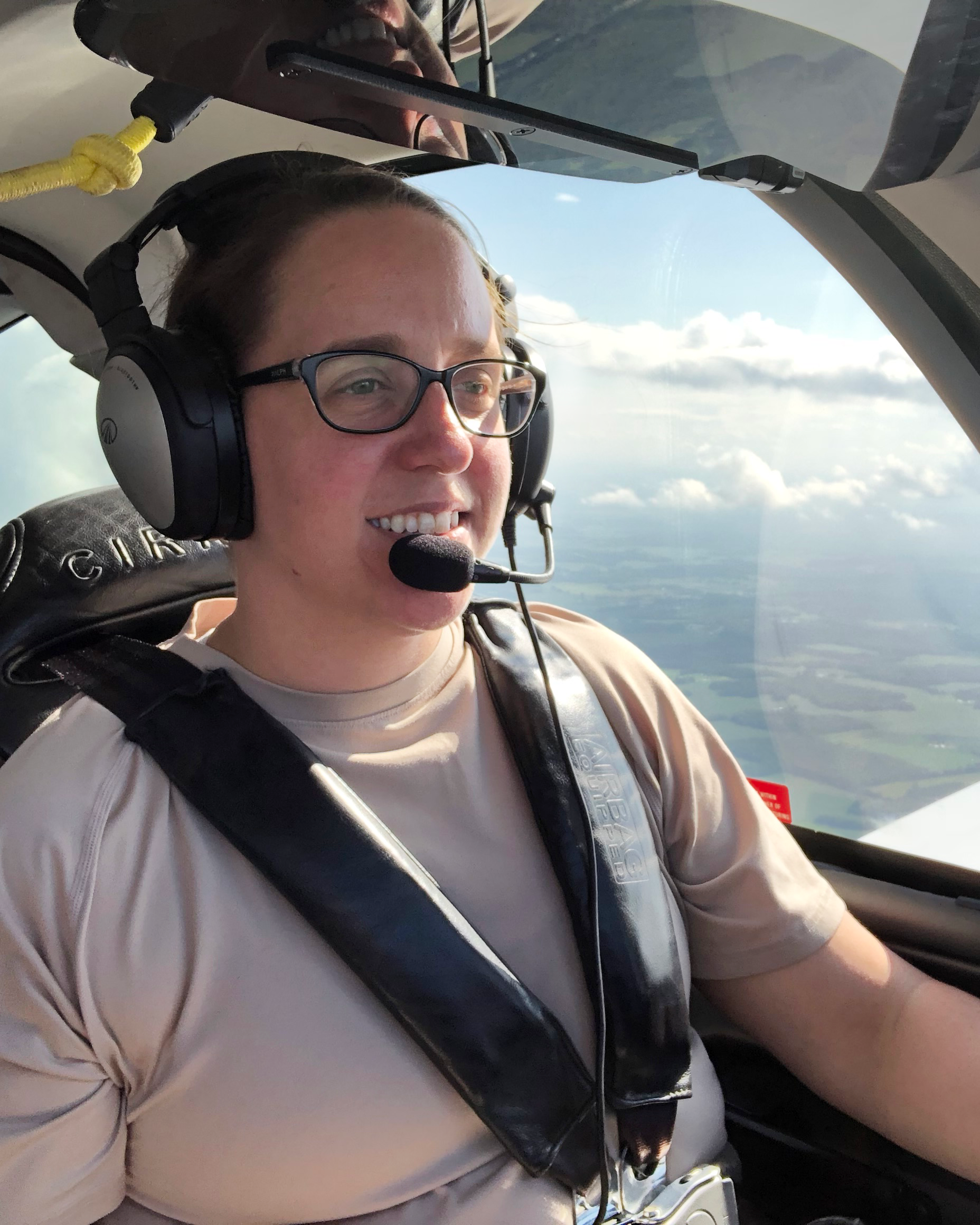
After completing my Flight Medicine training, I was stationed at Joint Base Elmendorf Richardson (JBER) as the Flight Surgeon assigned to the medical group. This was an intentional move on my part because I wasn’t yet ready to give up on delivering babies, so I chose a hospital where I could be assigned as a Flight Surgeon but still take some shifts on labor & delivery. My passion for obstetrics was not shared by my commanding officer who I think was routinely annoyed that I spent most of my “flying” time taking labor & delivery calls. Some of my fondest memories during that time were watching big, tough fighter pilots be reduced to tears at the sight of their first child coming into the world.
When I arrived at JBER the pace of the flight surgeon job was slower than I was used to. I felt the need to take on a new challenge, enrolling in an online program for my master’s degree in public health through George Washington University. I was about halfway through my degree when Covid-19 hit. As a flight surgeon with current public health training and my finger on the pulse of the pandemic, I was appointed the Covid-19 Czar for the JBER hospital. This job was chaotic and in addition, I developed a chronic pain condition related to an autoimmune disease that would go undiagnosed for about another year. I was in pain every day and it destroyed my ability to cope, causing me to become severely depressed. As I tried to get the help that I needed, I found that the stigma and barriers to care being active duty were just too great. I opted to separate after 18 years of service. It was one of the first times in my life that I really prioritized my own mental and physical health over my career and it was one of the best decisions I have ever made.
A Summer of Recovery
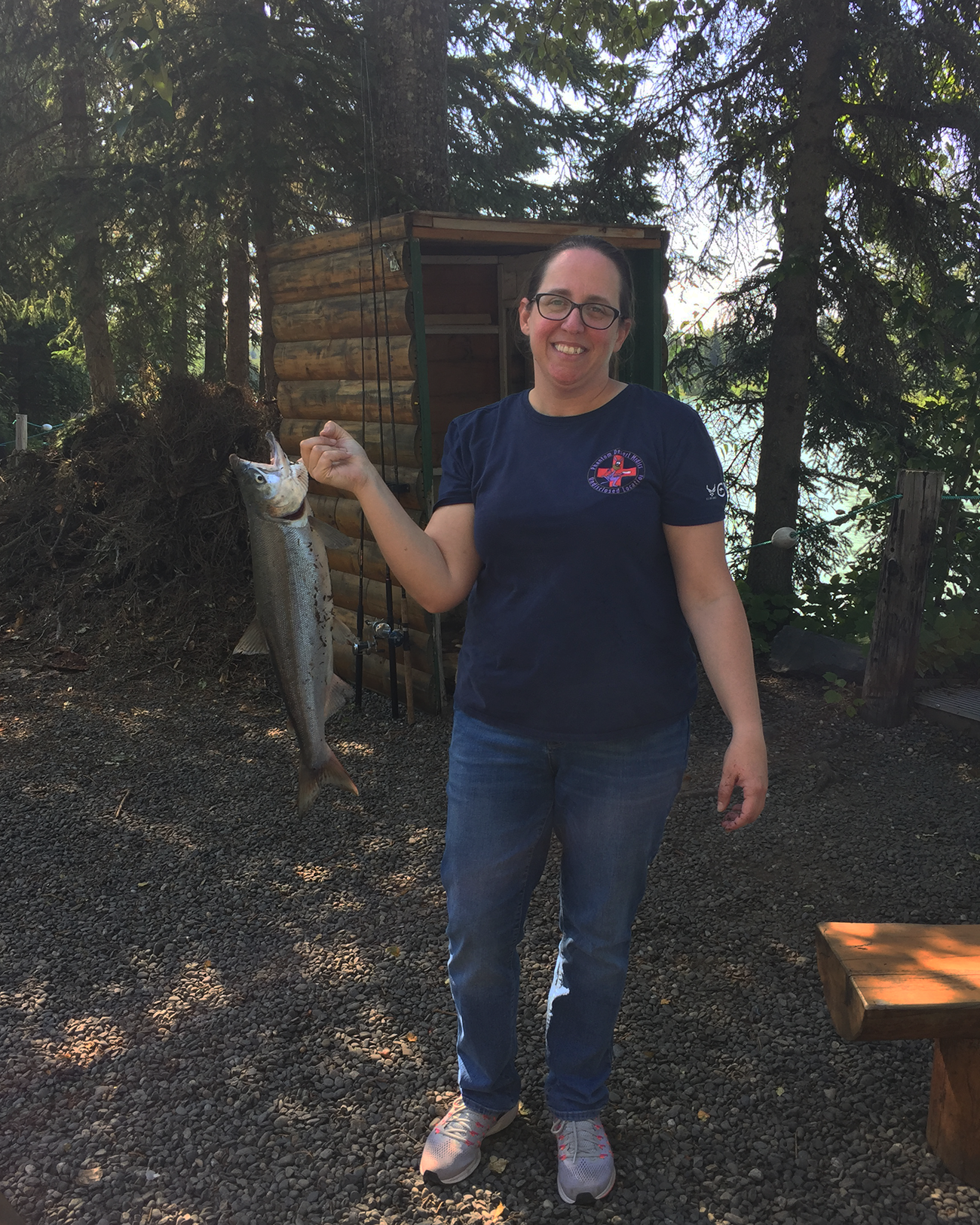
After separating from the Air Force I took about 3 months off of work. During that time, I aggressively pursued treatment of my depression. I went to therapy twice a week and received transcranial magnetic stimulation (TMS) treatment after several combinations of antidepressant medication failed to help. I started to feel like myself again. I also met an amazing Rheumatologist who diagnosed my chronic pain condition and battled with my insurance company to get me on the right treatment. I had forgotten what it felt like to wake up and not have the very first thing I thought about be my pain. As I began to feel better, I traveled around the state during a beautiful summer with my kids and fell in love with Alaska. I found during this time that sharing my journey through depression and chronic pain with others helped to reduce the stigma around these conditions and I’ve continued to be open and honest about that part of my life in hopes it will help others realize they aren’t alone.
Medicine After the Military
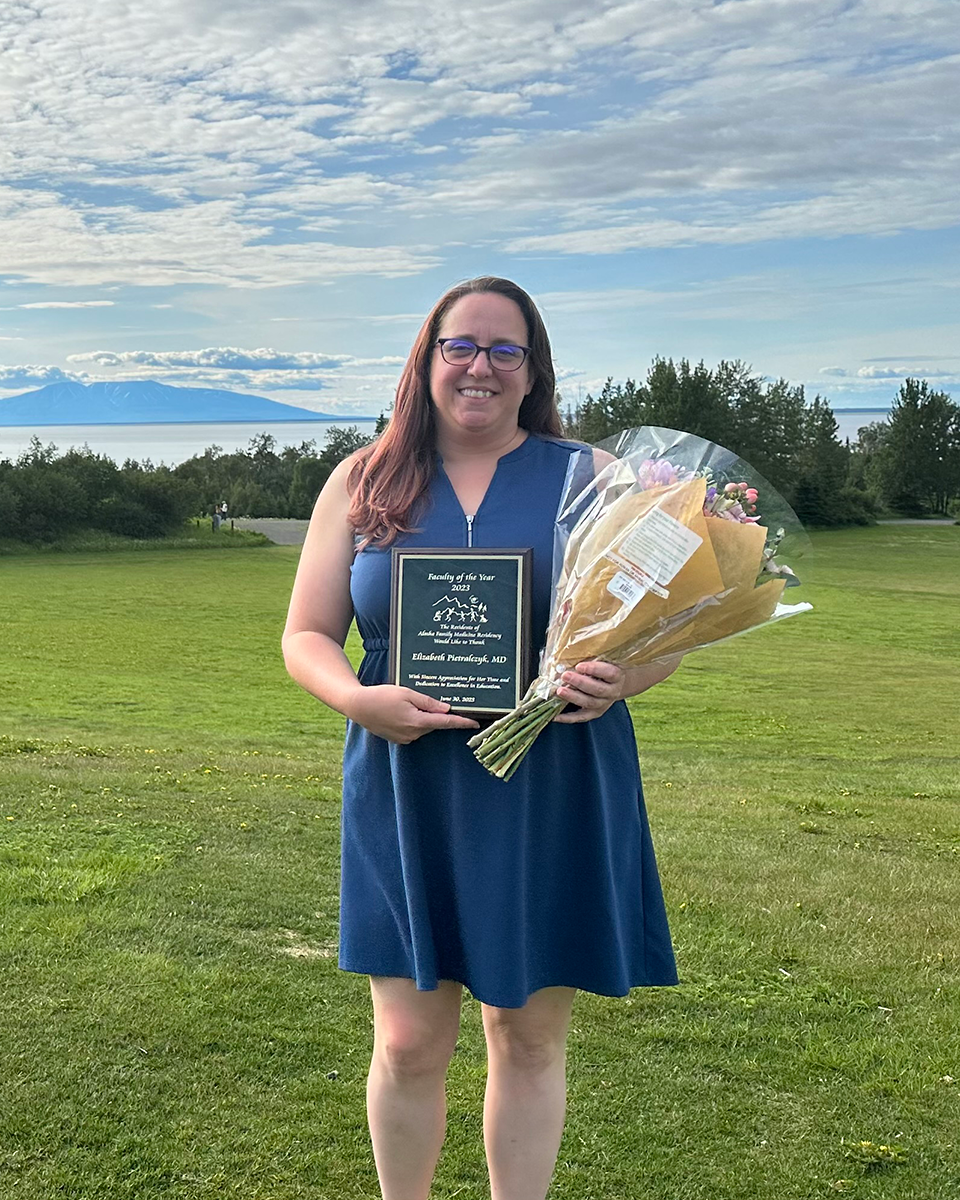
The next job I took was a return to academics teaching at the Alaska Family Medicine Residency (AKFMR). I again found great joy in shaping the future of our Family Medicine workforce. The clinic was a big change from what I was used to in the military. I was now serving primarily Medicaid and uninsured patients and dealing with the daily struggle of trying to make sure they were able to get the care they deserved. This was also my introduction to addiction treatment. While in the military I had diagnosed people with substance use disorders, but they were typically quickly separated from service and their care handed off to the VA. It was a sharp learning curve for me, but I enjoyed being able to help these patients. I became heavily involved in treating opioid use disorder in our pregnant and postpartum patients - a population I found very rewarding to work with. It was during this time that I decided to pursue board certification in addiction medicine.
While I loved the job at AKFMR, I struggled with being employed by our sponsoring institution. I have a strong belief that medical care should not be limited or impacted by the beliefs of people who are not my patients. My values simply didn’t align with the organization, and it began to feel inauthentic to continue full-time employment there.
Giving Rural Medicine a Try
My next professional adventure continues today. I work one week a month in Bethel, AK as a hospitalist. This means I provide care to patients admitted to the hospital and I also get to deliver babies. I’ll likely be working with them for another 17 months until my three-year contract with them comes to an end, with the intention of growing my clinic. When I am in Bethel, I will still be available to my Found Family patients through telehealth and the patient portal. I really enjoy my job in Bethel. It can be hectic and challenging, but the organization values the input of their employees and strives to provide the best possible care to their patients. One of the highlights of that job is working with the village health aides all over the YK Delta. I am so in awe of the service they provide for their communities and how much they endure both physically and mentally to take care of the people in the villages they call home.
Identity Health
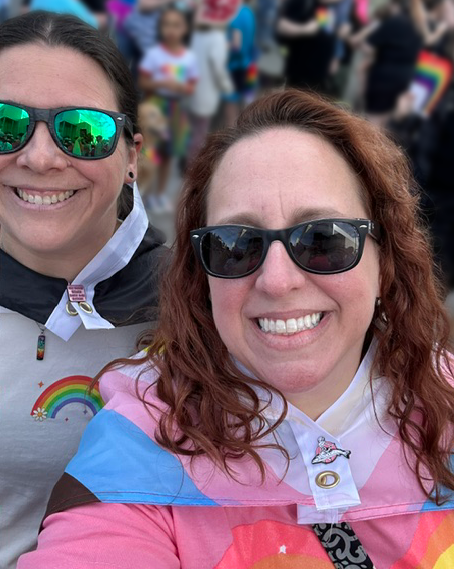
In the winter of 2025, I decided it was time to start looking for local work in Anchorage again. I wanted something that spoke to me, something I could be proud of participating in, something authentic. I found that in Identity Health Clinic. My time at Identity empowered me to align my professional identity with my full self as a queer and polyamorous individual, bringing health care access and equity to a community I had long been a part of. I showed up every day with energy, knowing that what I was doing served a genuine need in the community and helped people feel accepted and cared for. I left every day knowing at least one person felt more confident about their medical path. I enjoyed providing healthcare in a setting without judgment and serving folks who struggle to access primary care in other settings. I felt like I was making a difference. Unfortunately, Identity was also where I finally concluded that our conventional medical system is broken to such extent that it is nearly impossible to provide quality healthcare within its confines. I watched our Executive Director and board members try so hard to keep things on track in the face of delayed and inadequate insurance reimbursements and endless obstacles from insurance companies. In the end it was just too much and forced us to close. It was heartbreaking to an entire community that was already watching their world get smaller and more difficult in the wake of political discrimination for having the audacity to merely exist. I continue to be so very sorry that despite all our best efforts, the clinic closed in May of 2026.
New Beginnings
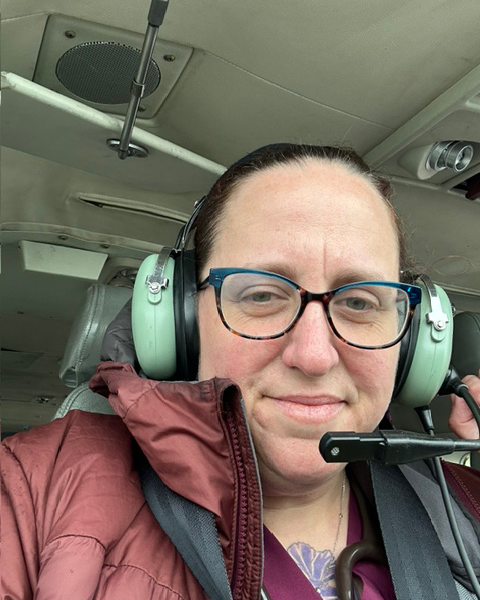
Where one thing ends, another must begin. This experience left me determined to find a way to continue providing the care our community needs. If you have made it this far, I hope you will be interested in joining me on my next great adventure as I build my own direct primary care clinic rooted in my values of accessible care for all!
Schedule a Consultation
Curious about direct primary care and want to see if it’s the right fit for you?
Set up an introductory video call with Dr. Liz below to connect about your specific healthcare needs.